
Case Study: Changing the Conversation Around Plant Protein with Radicle™ by Kerry
This case study explores how I adapted a single plant-protein story for very different food cultures across India, MENAT and ANZ. As copywriter for the Radicle Playbook, my focus was on making complex food innovation feel clear, culturally respectful and relevant—while keeping one consistent narrative at its core.
Role: Copy writer and Project Management
Team: Client liaison, copy writer/project manager, designers.
Project Duration: March 2021 - Aug 2023
The Challenge
Radicle™ presented a unique communication challenge: how to explain complex, engineered plant-protein solutions in ways that felt relevant, trustworthy and culturally appropriate across very different markets. As copywriter for the Radicle Playbook across India, MENAT and ANZ, my role was to shape a clear, consistent overall story that could adapt to meet local attitudes toward food, health and sustainability—without losing clarity.
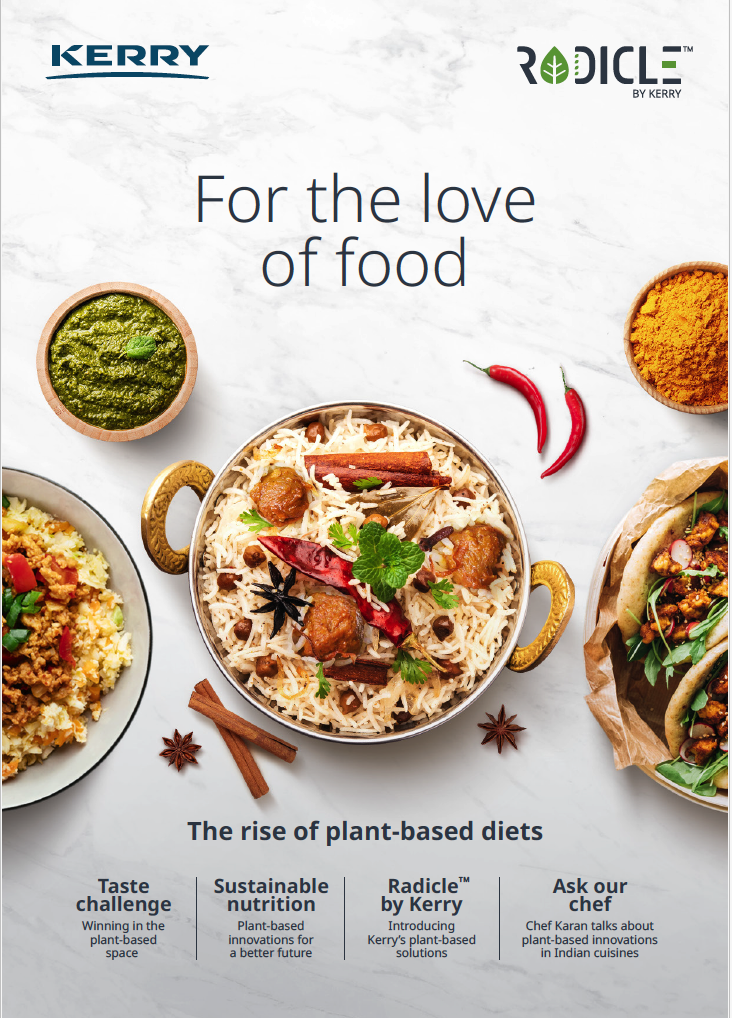
India
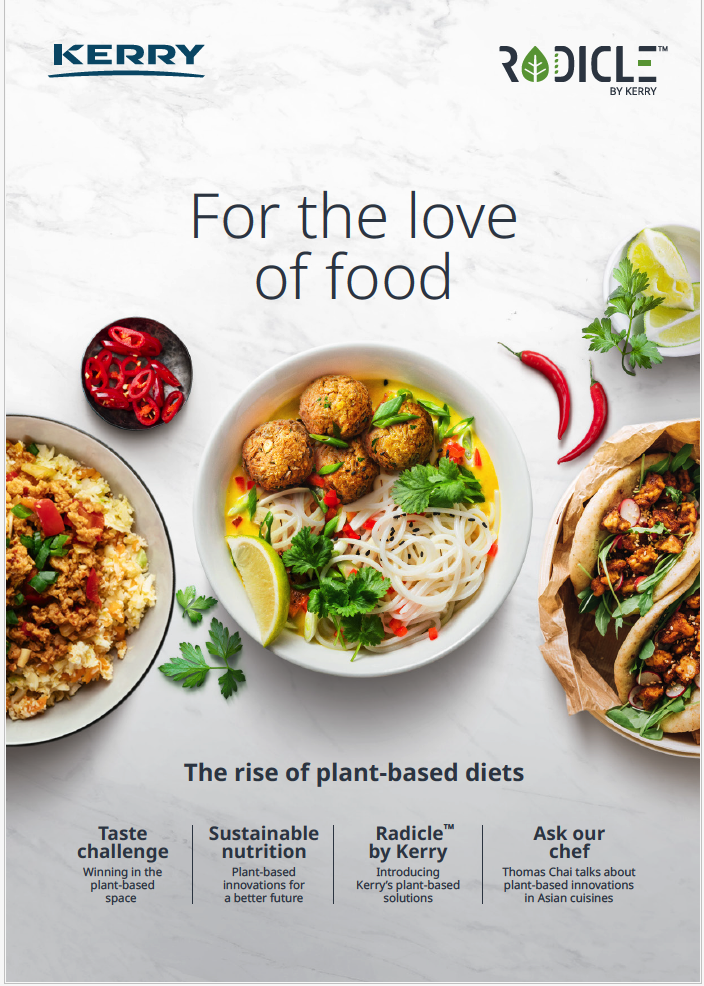
MENAT
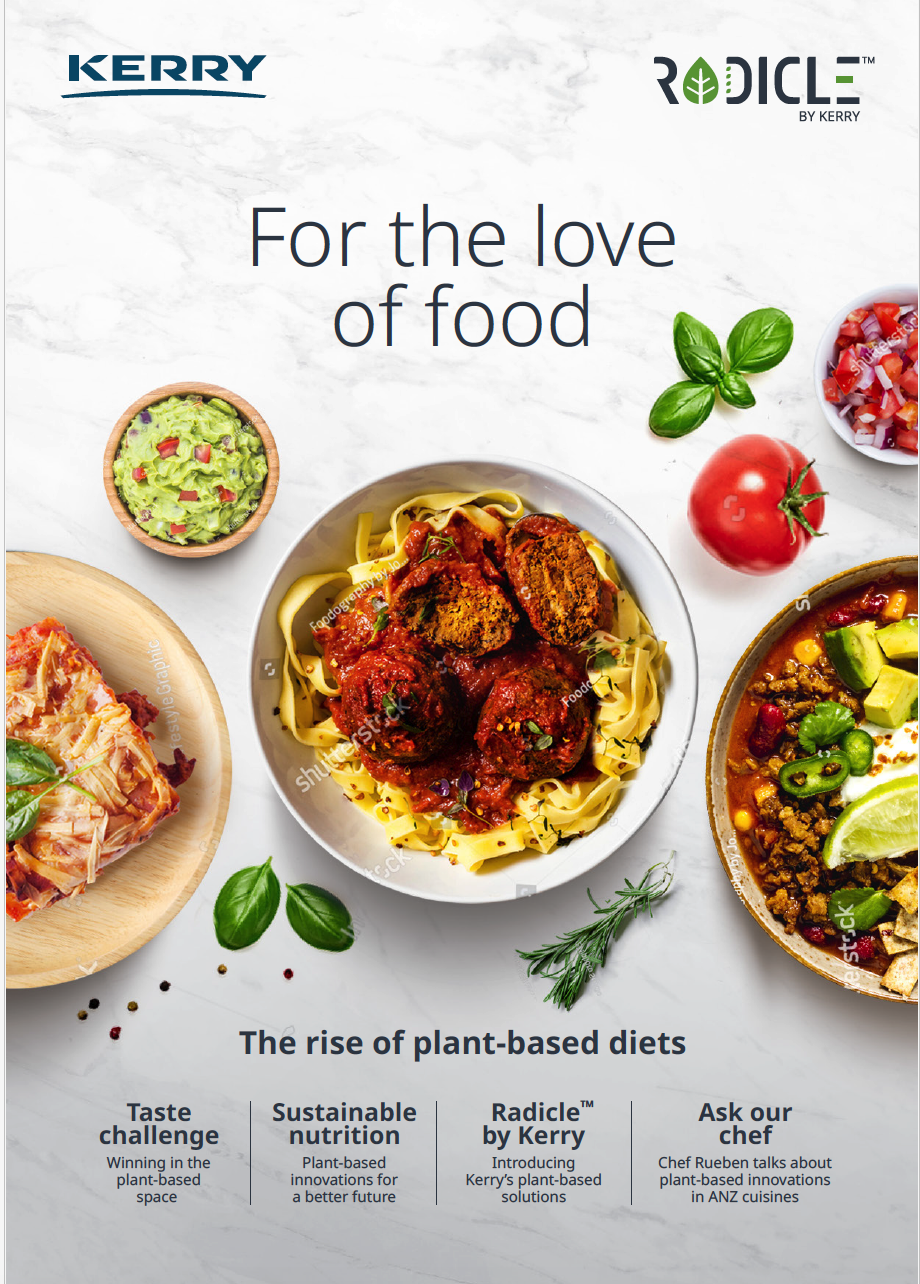
ANZ
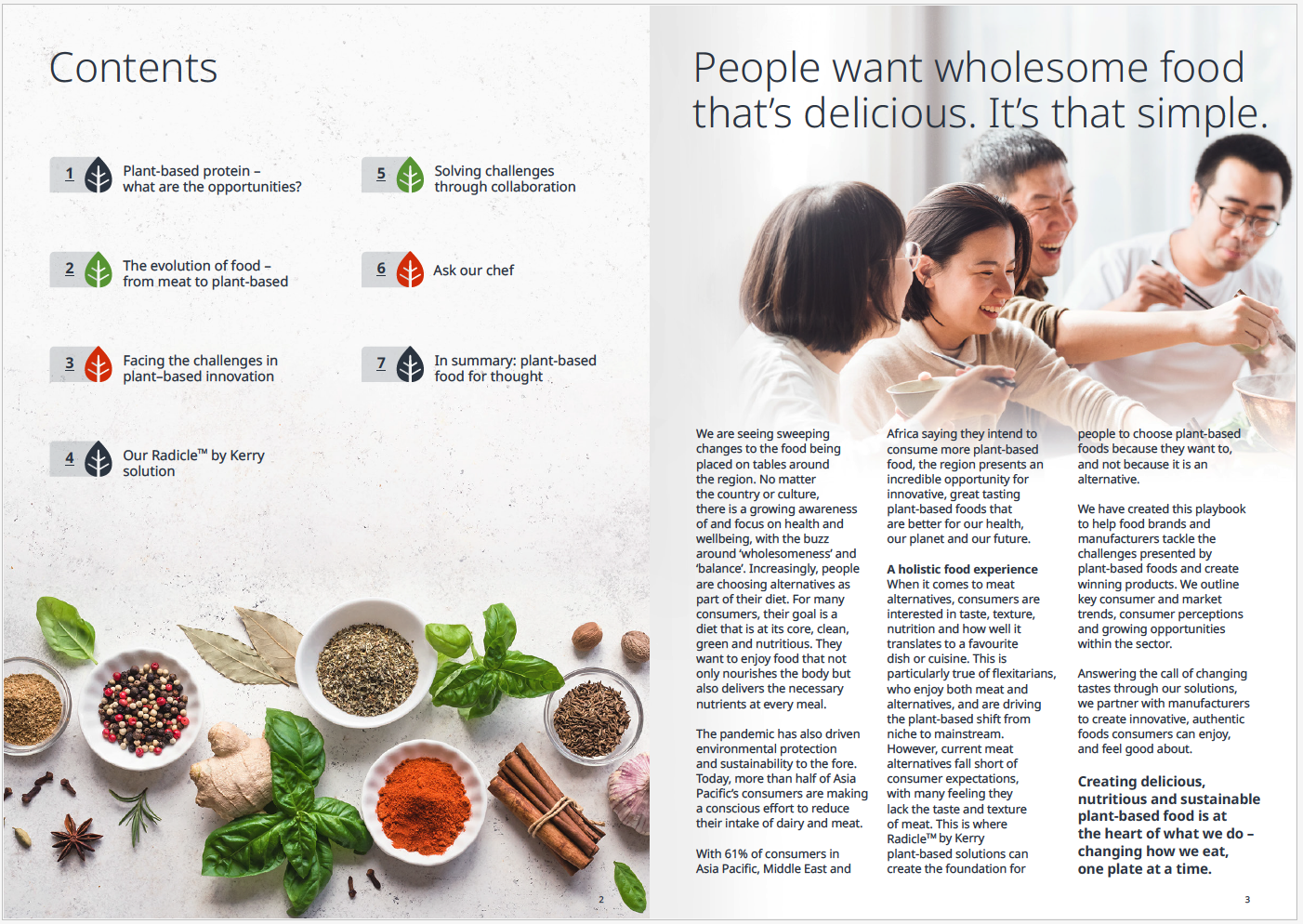
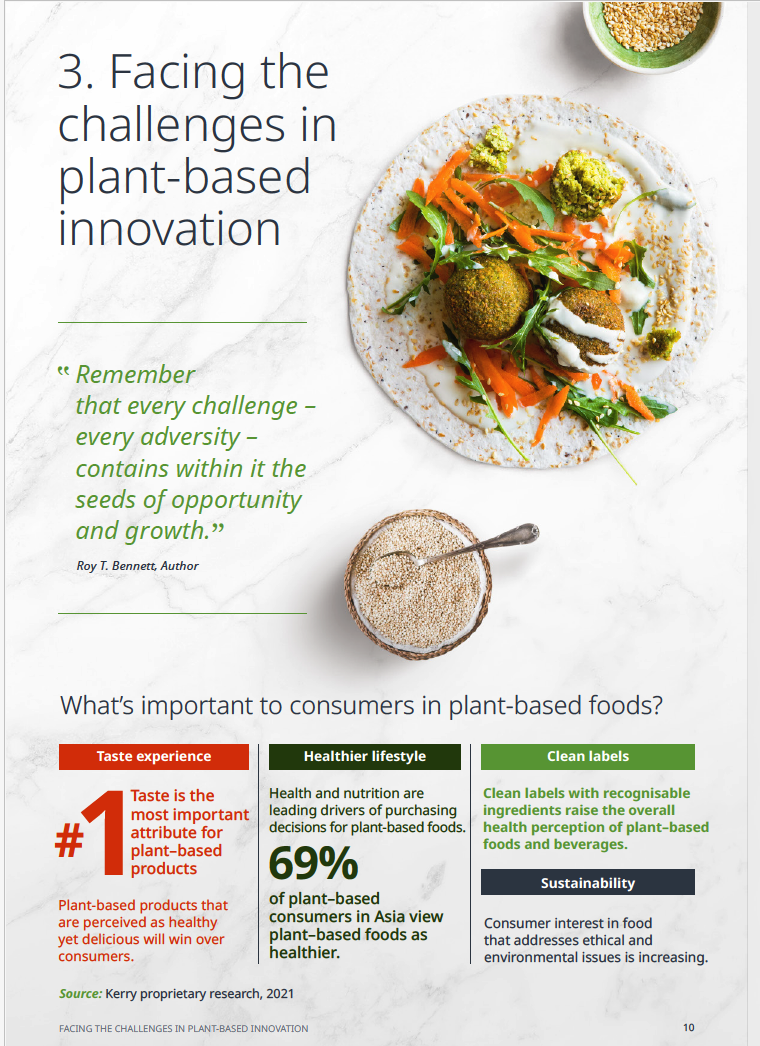
Different markets, different mindsets
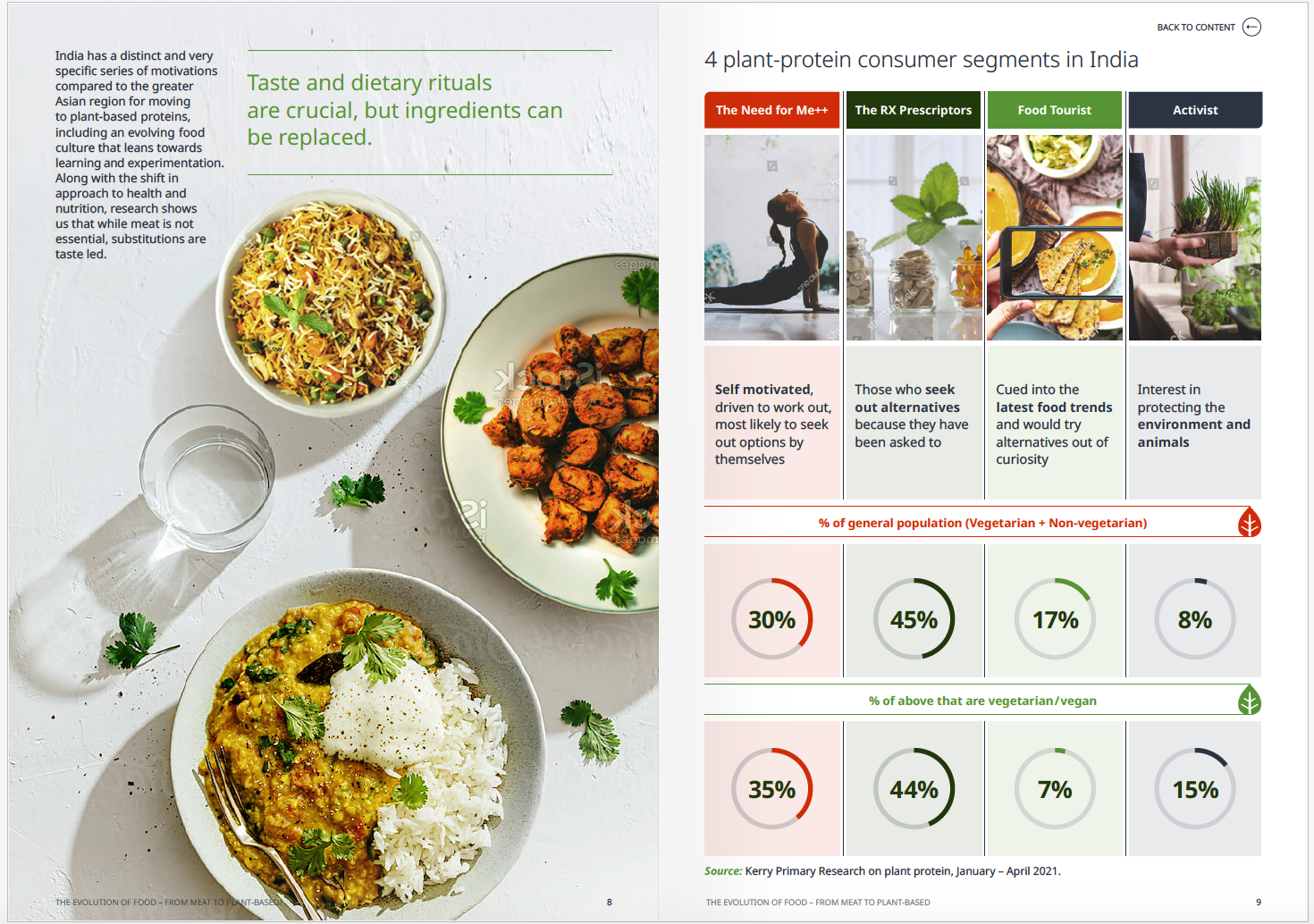
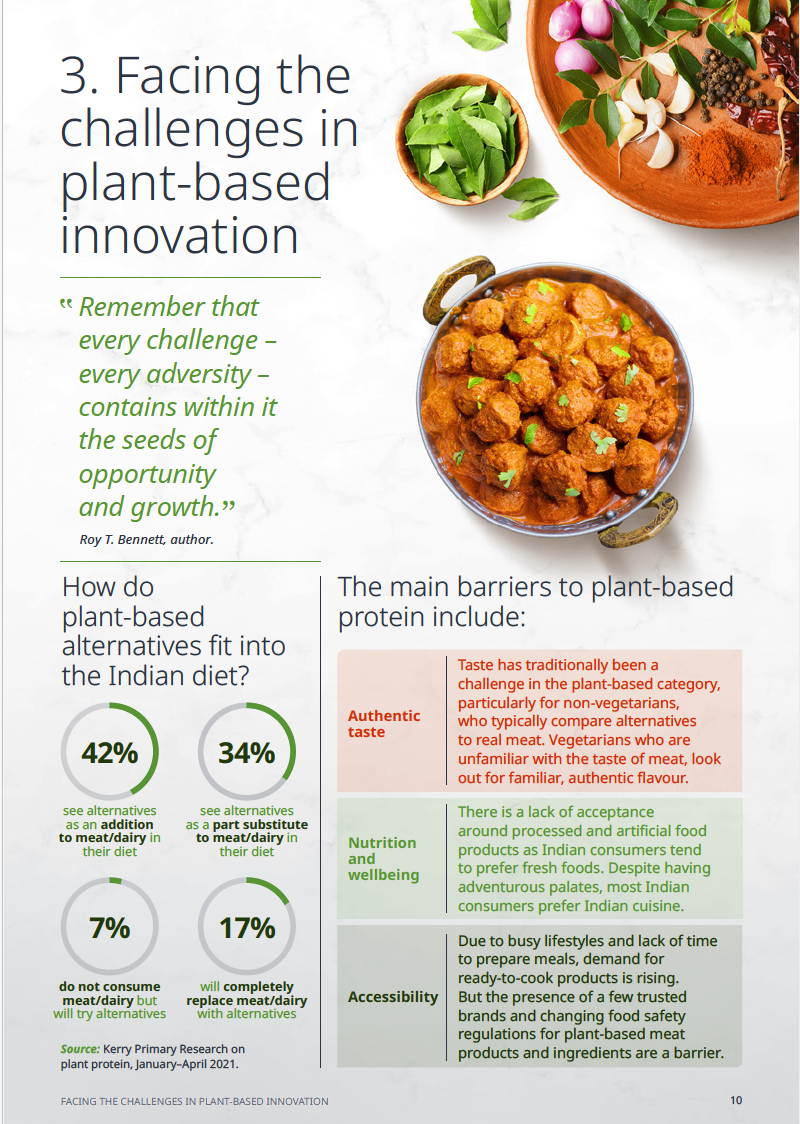
In India, where plant protein is already part of everyday diets, the challenge wasn’t awareness but acceptance. The content needed to respect long-standing food traditions while clearly explaining why newer, engineered plant proteins could add value—improving nutrition, consistency and scale—without feeling unfamiliar or in conflict with cultural norms.
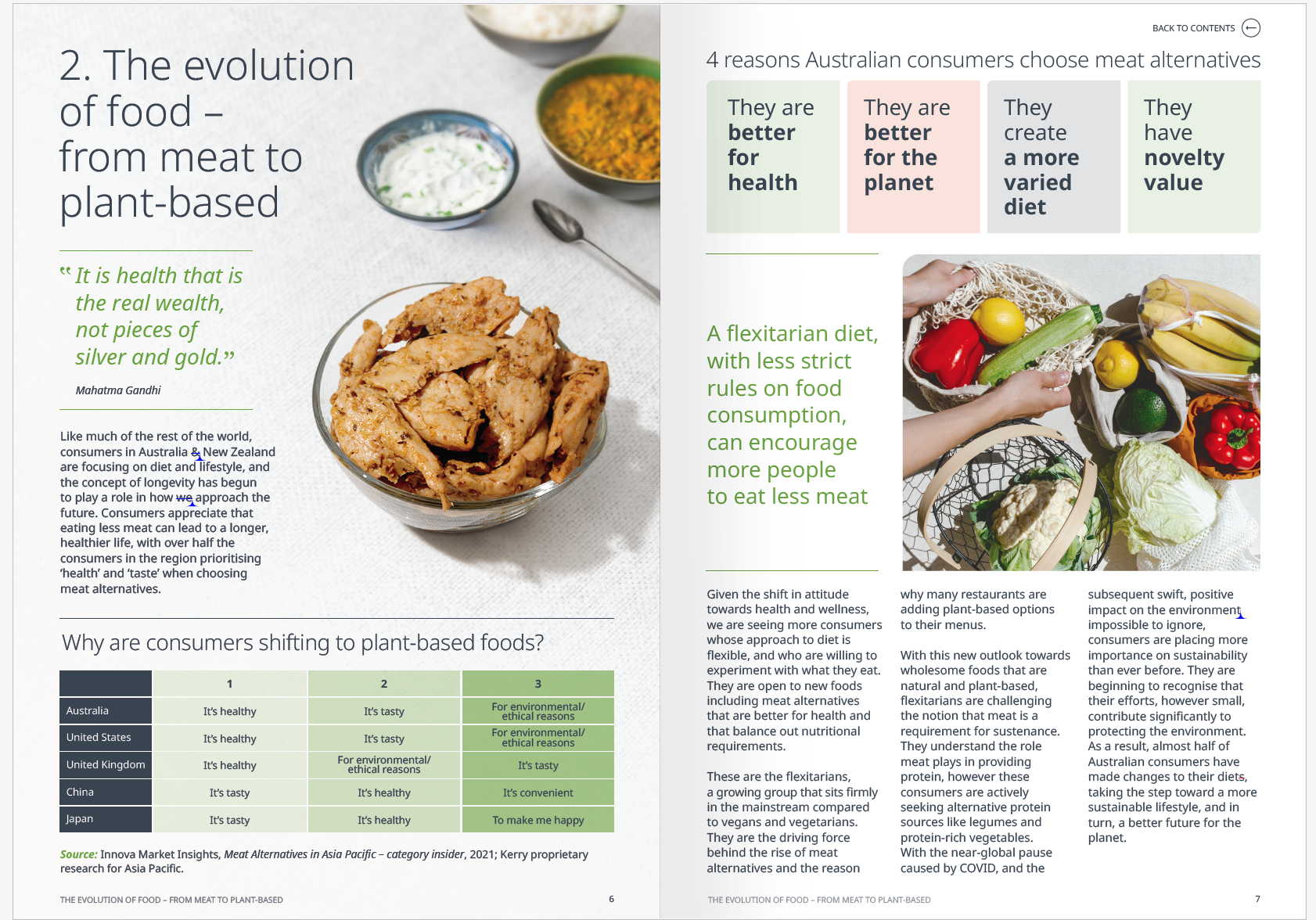
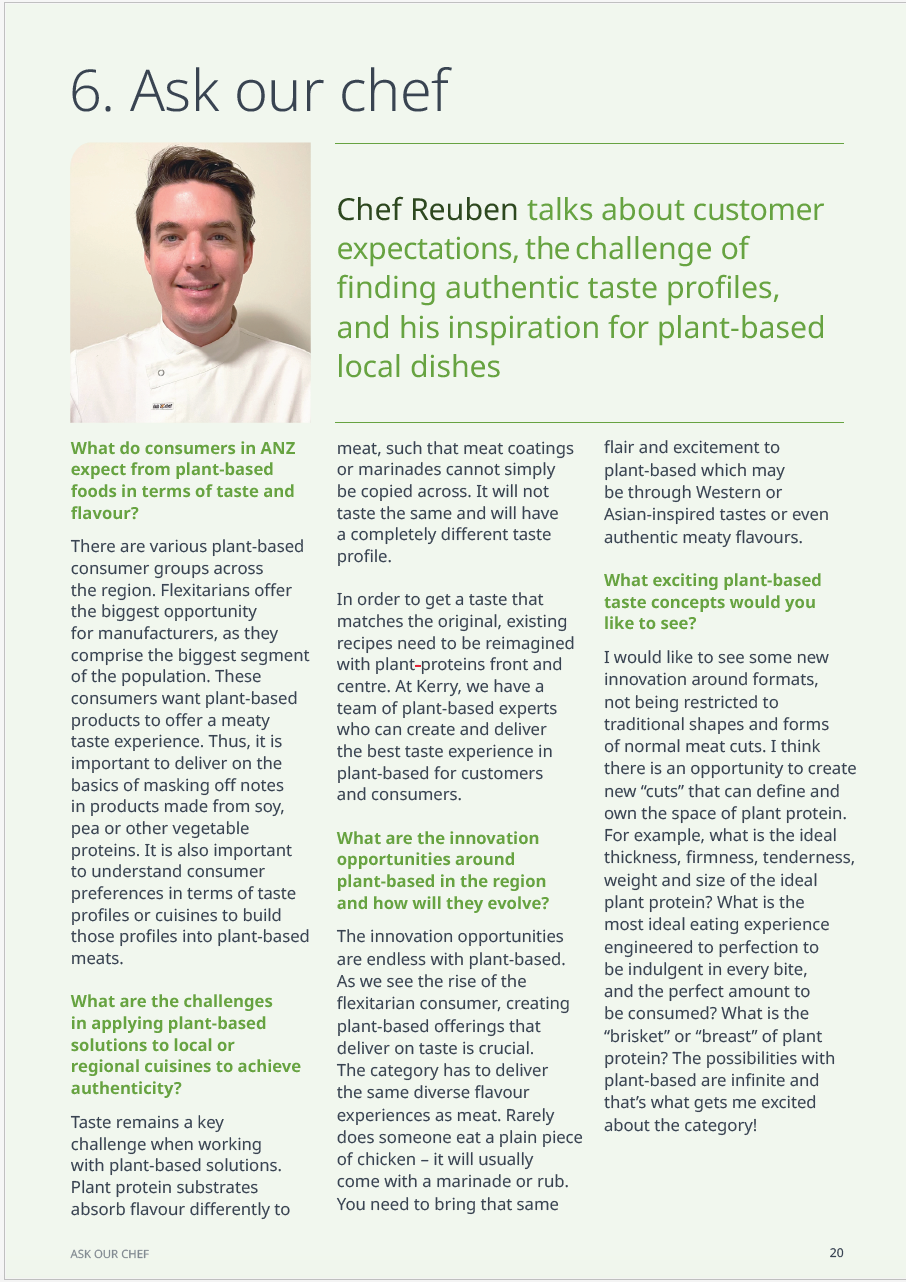
In ANZ, the task was almost the opposite: helping a largely meat-focused audience understand plant protein in the first place, and positioning it as something appealing, practical and enjoyable rather than a compromise.
Designing for cultural relevance
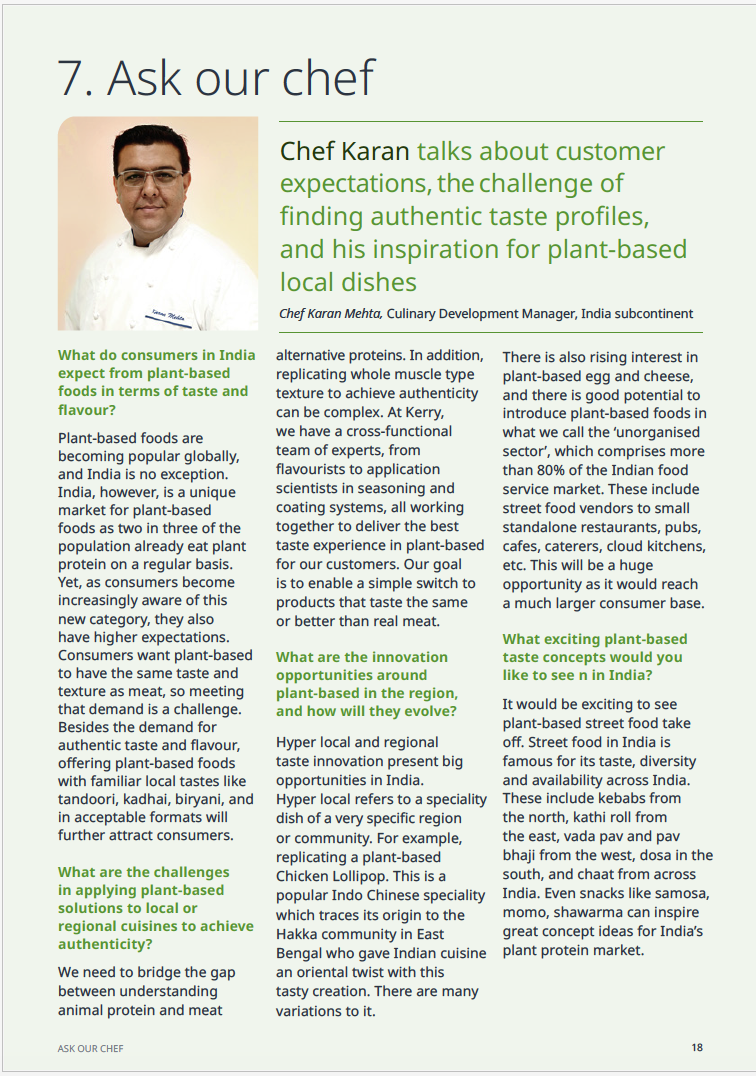
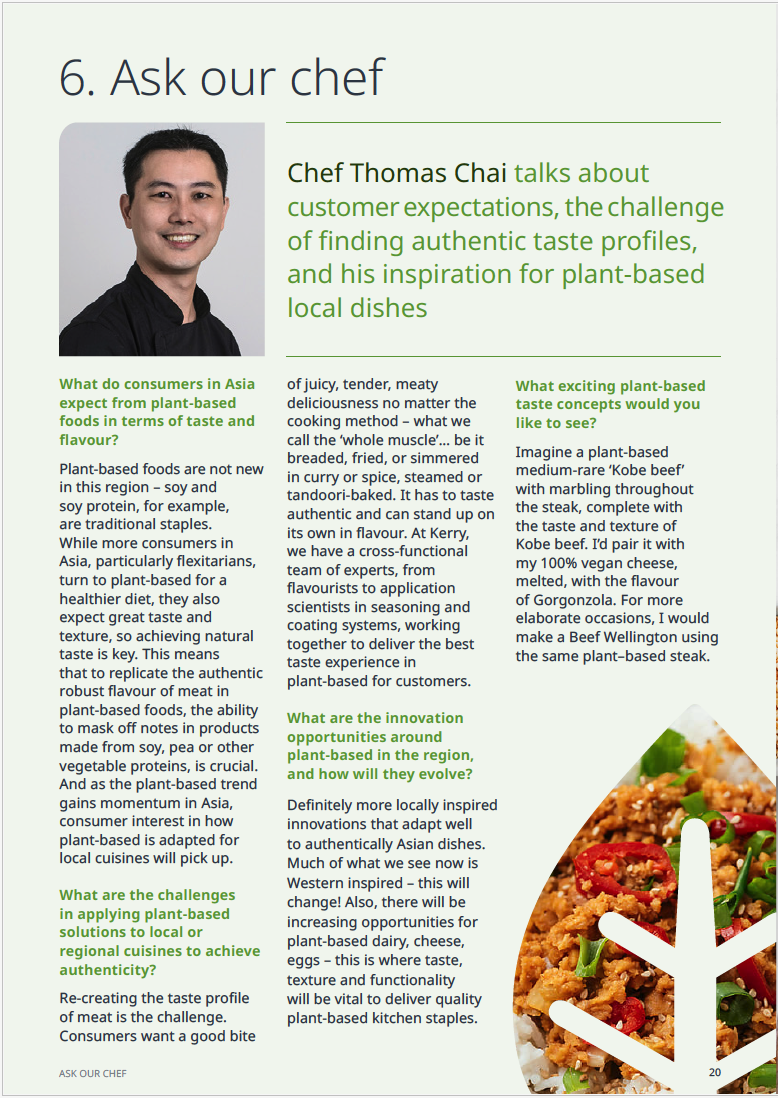
Beyond language, I collaborated closely with designers to ensure imagery reflected local food culture and values, and with chefs to develop sample recipes that felt familiar and desirable in each region. . By balancing cultural sensitivity with clear storytelling, the playbook helped make complex ideas easier to understand—and more likely to be embraced—across diverse markets.
Doing your research
As a copywriter, it’s important to look beyond the client brief. Developing a working understanding of both the rapidly evolving plant-based market and the cultural sensitivities of each region was essential. Shifts toward flexitarian diets, along with broader economic changes, directly influenced the Radicle story and how it needed to be told. This deeper sector knowledge allowed me to write with relevance—introducing arguments that connected with local audiences in each market.
Cultural inclusivity
When writing for diverse markets, it’s easy to lump many cultures under a single heading—but every community brings its own values, histories, and perspectives that deserve recognition. While we can’t always address each individually, but thoughtful writing goes beyond generalisations, especially in regions like MENAT (Middle East, North Africa, and Turkey), where approaches to plant-based food can vary widely.
Culturally inclusive writing isn’t just about avoiding offence—it’s about building trust and connecting with the audience. It requires curiosity, research, and collaboration, as well as attention to language, tone, and symbolism. When done well, it feels intentional, genuine, and respectful, avoiding stereotypes while connecting with audiences. Writing this way strengthens credibility and relationships, ensuring your messages aren’t just heard—they’re welcomed.
Final Thoughts
The Radicle™ Playbook shows how thoughtful storytelling can make complex ideas easier to understand and relate to. By adapting one clear message to different food cultures and attitudes, the content helped plant protein feel familiar, relevant and trustworthy—supporting Kerry’s goal of connecting with potential clients across diverse markets.